All articles
Explore India, one explanation at a time.
1–11 of 11 articles

EPFO’s ₹25,000 wage ceiling: who it covers and what changes on a payslip
Who must join EPF, who can stay outside it, and why a pay rise does not end membership. The old rules explain what the higher ceiling changes.
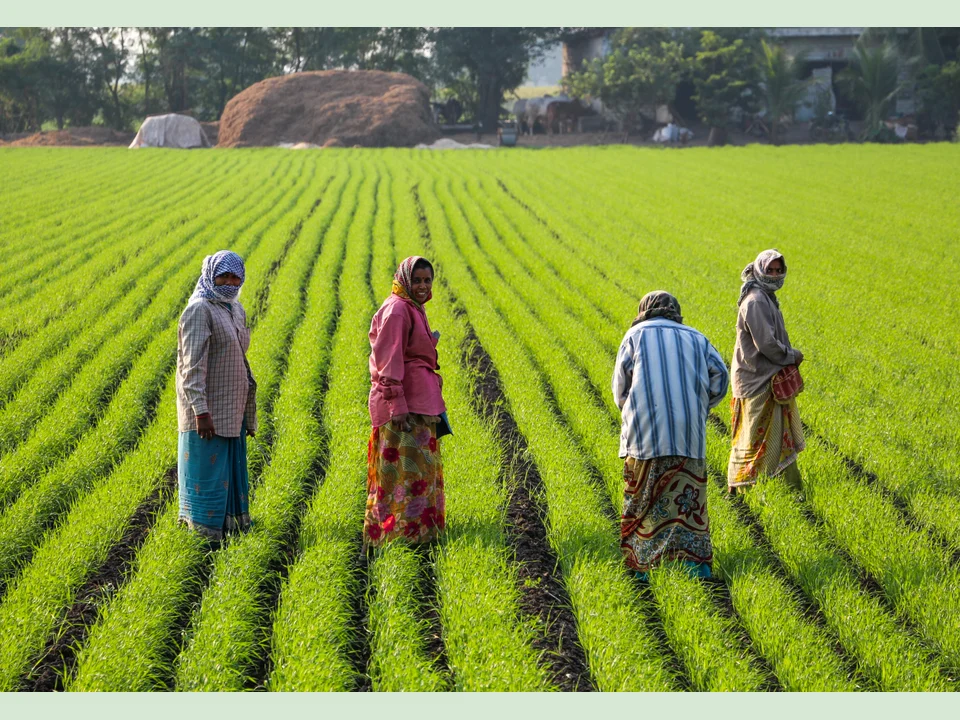
India’s August jobs report: what 5% unemployment leaves out
Who is working, who is looking, and who is outside the labour force? Three measures explain the difference.
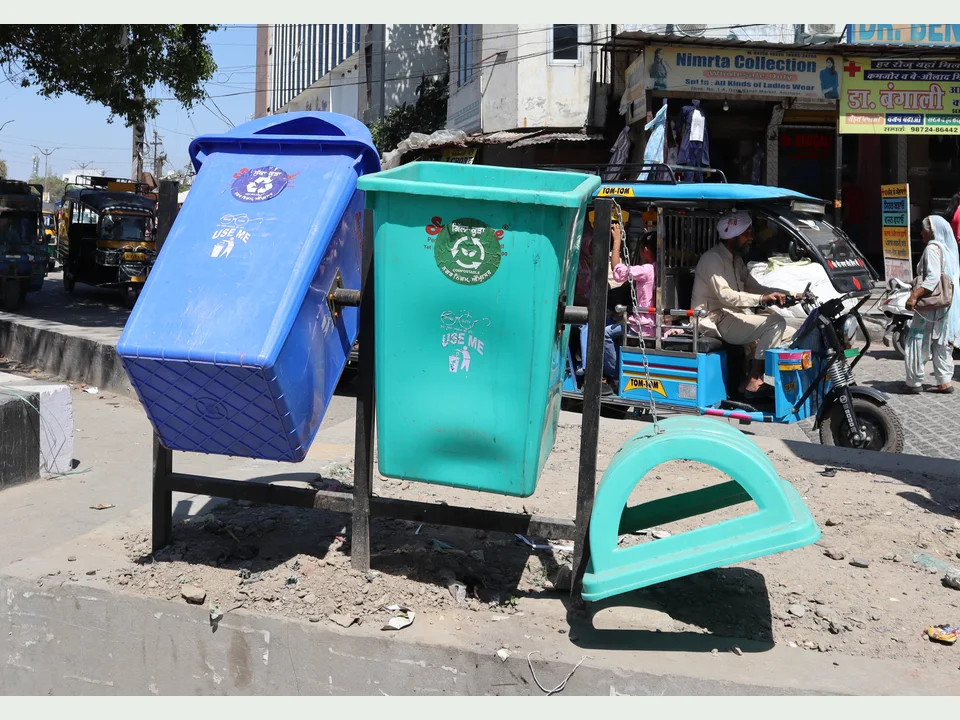
Why India separates household waste into four streams
Wet, dry, sanitary and special care waste need different routes—and collection must keep them apart.
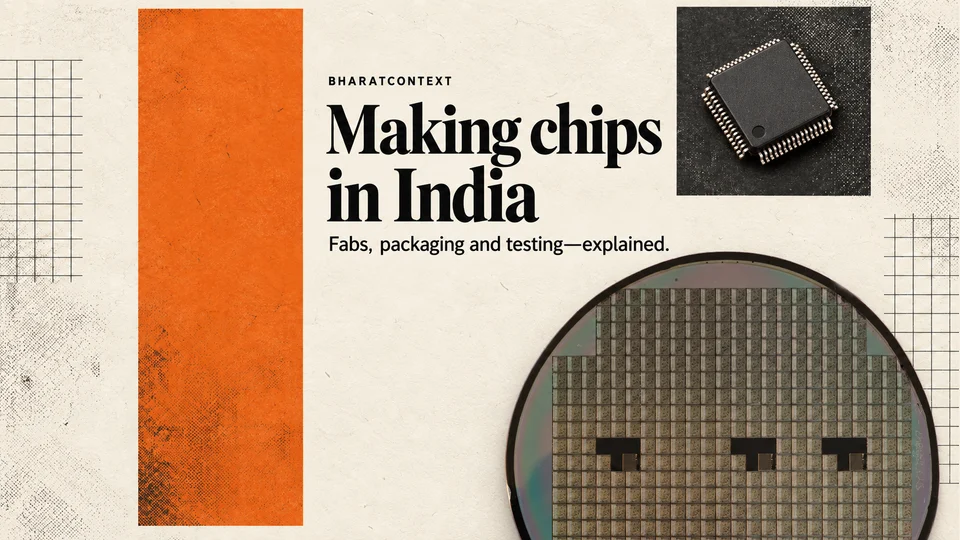
Making chips in India: what fabs, packaging and testing actually do
Follow a chip through the factory—and see why India is investing in different parts of its production.
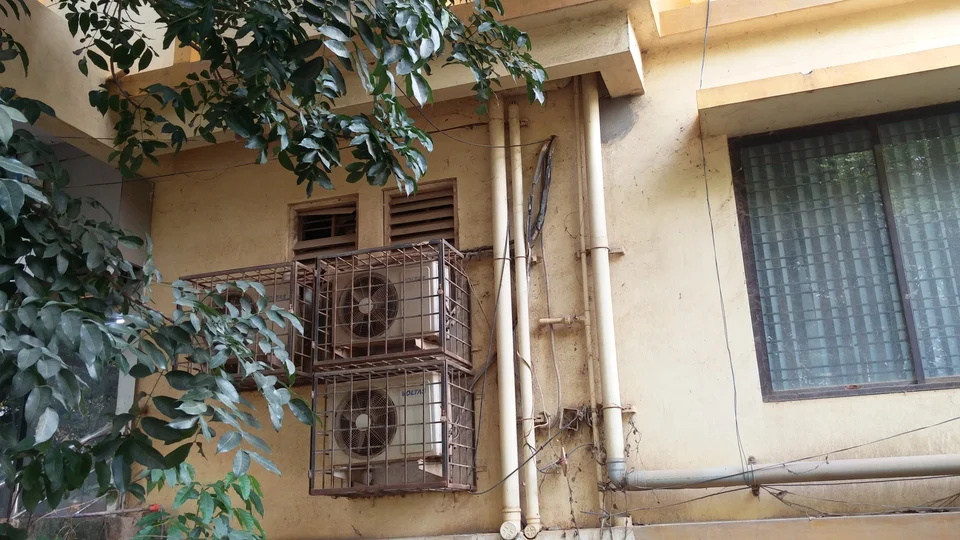
World Ozone Day: why India's cooling transition is not finished
The ozone layer is recovering. The gases inside our cooling equipment still need attention.
UPI’s MDR debate: who should pay to keep payments free?
NPCI’s confirmed October fees explained—and why funding UPI matters beyond the checkout.
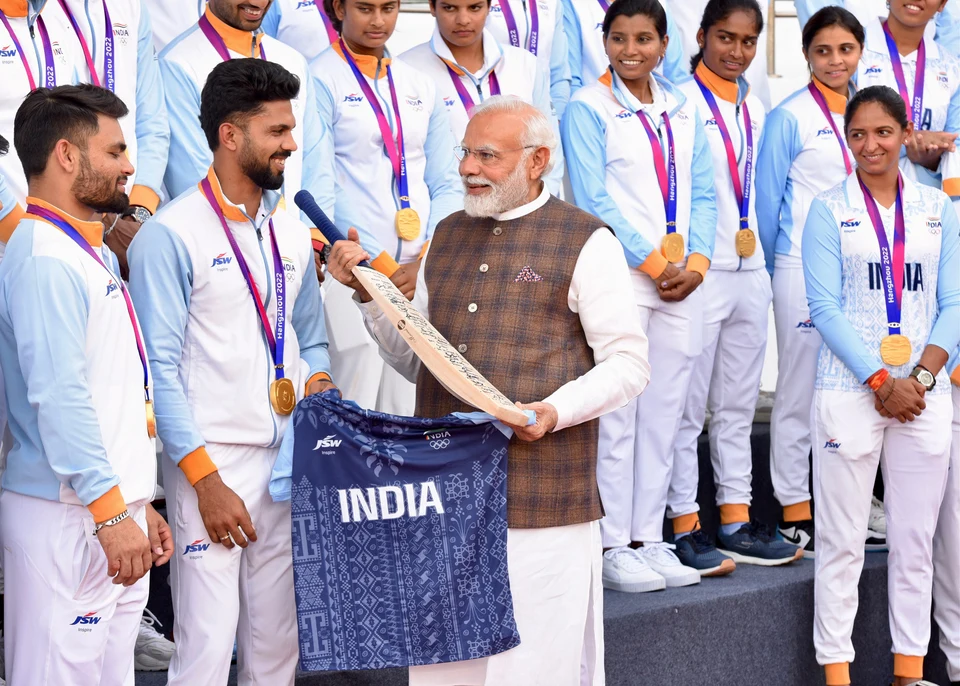
Asian Games 2026: how to read India's medal tally
A higher total and a higher rank are different achievements. Here is what to watch beyond the headline number.
Why is the RBI selling dollars and bonds as the rupee falls?
An earlier RBI programme brought dollars in and released rupees into banks. Now the central bank is managing currency pressure and surplus cash with different tools.

What did the 2026 BRICS summit actually achieve?
New Delhi secured agreement among rivals. What that means for diplomacy, payments and India’s influence.
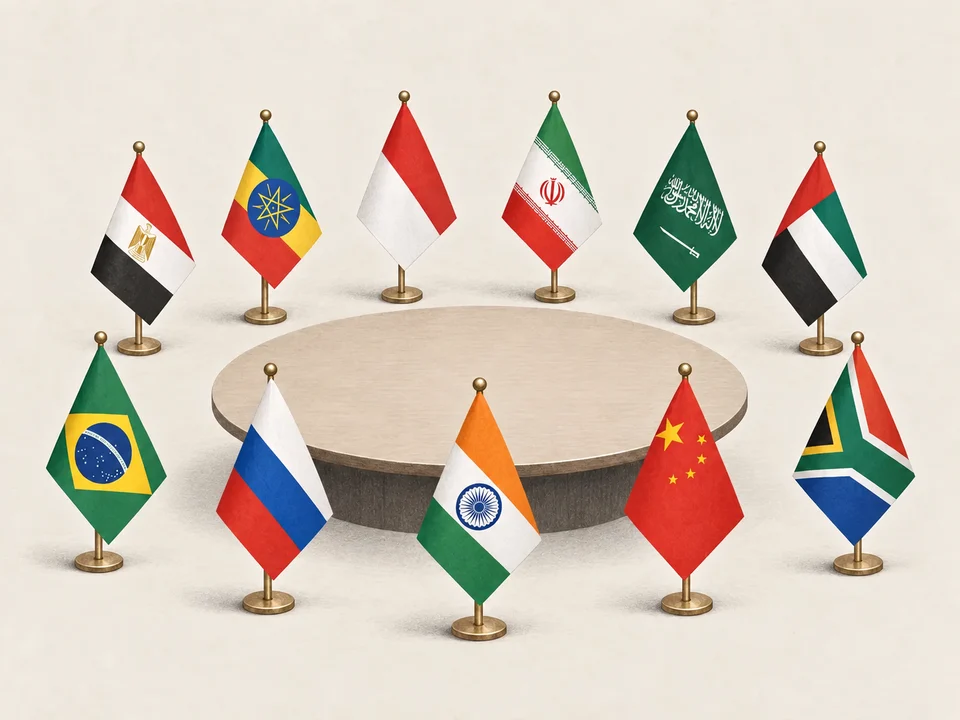
What does India actually get from BRICS?
Follow the development-bank money, India’s diplomatic access and the limits behind the bloc’s giant numbers.
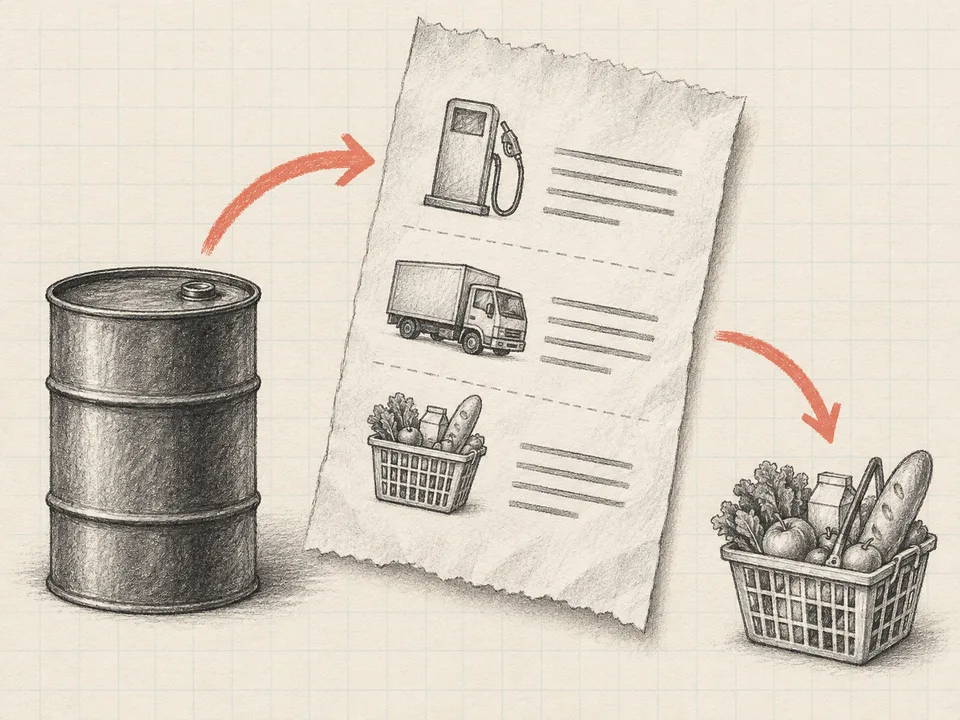
How rising oil prices and a weaker rupee affect your budget
Why India’s import bill, petrol prices and household costs don’t rise together.