Explore
21–40 of 101 articles
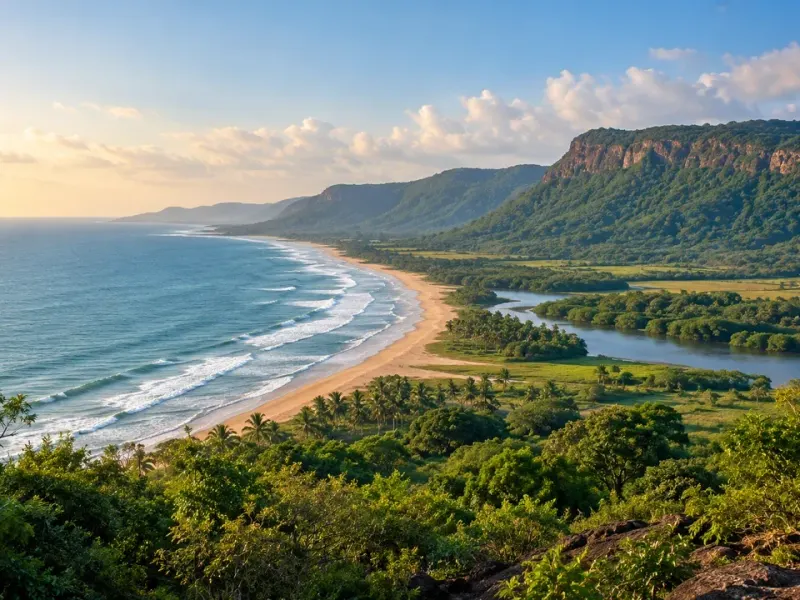
Why is India’s western coastal plain narrower than its eastern plain?
The Western Ghats sit close to much of the west coast; broad lowland and major river deltas shape parts of the Bay of Bengal side.
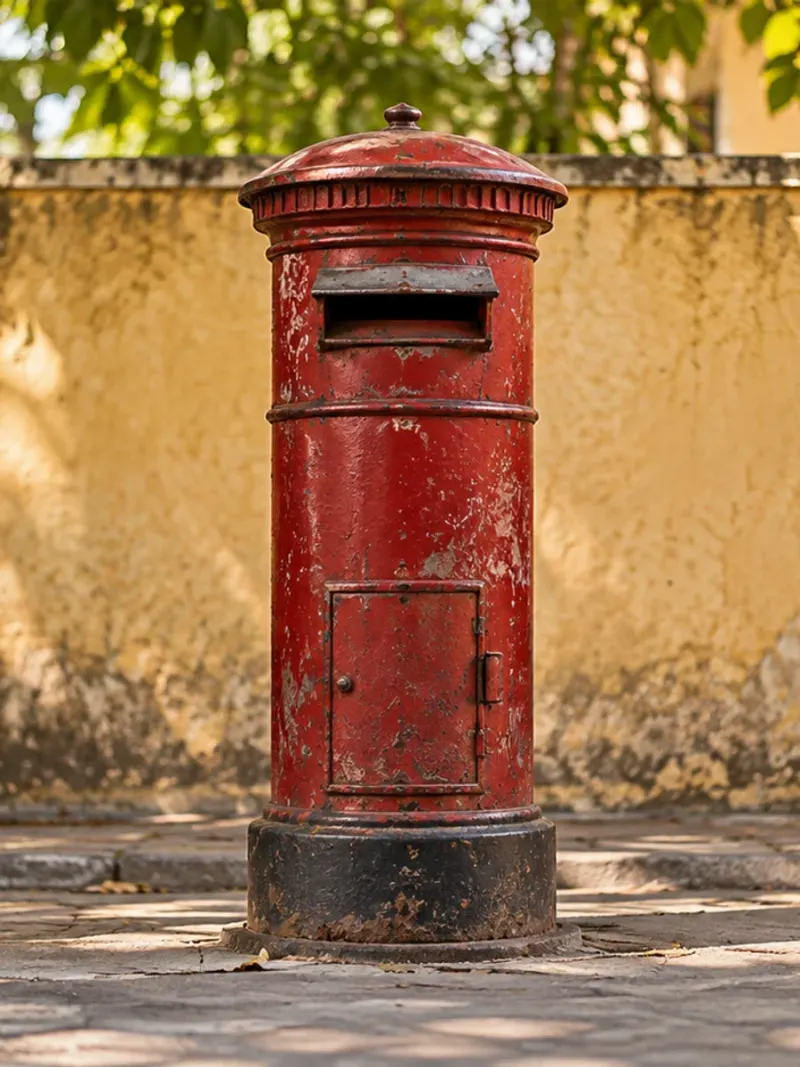
What do the six digits of an Indian PIN code mean?
The digits narrow a letter’s destination from a postal region to a delivery office. Here is how to read them—and how DIGIPIN differs.
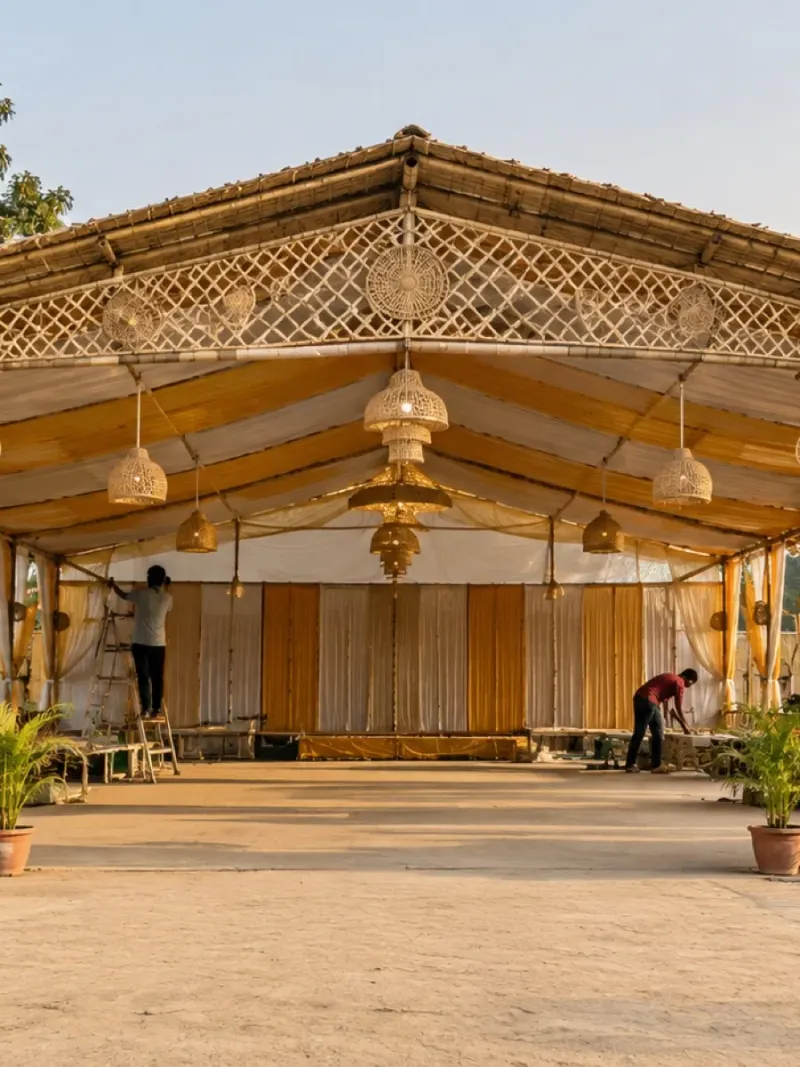
Who checks whether a Kolkata festival pandal is safe?
Fire-service permission, public-place approval and crowd planning address different risks. Learn who does what in Kolkata—and what each check cannot establish.
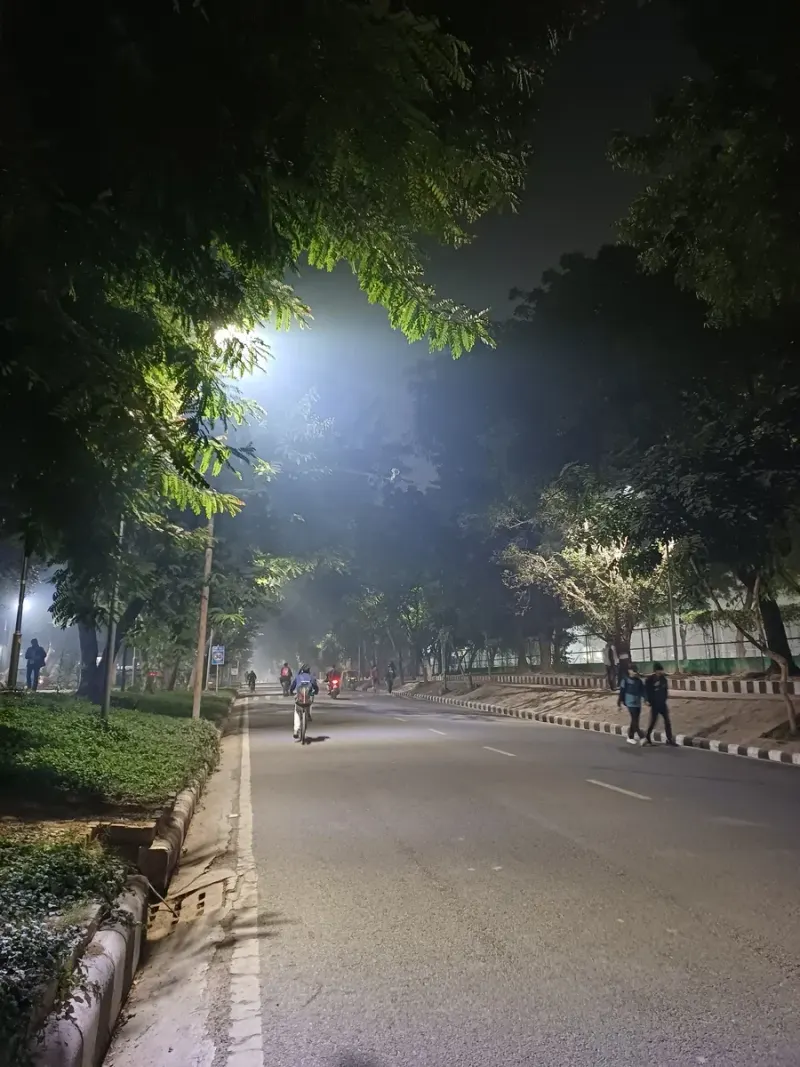
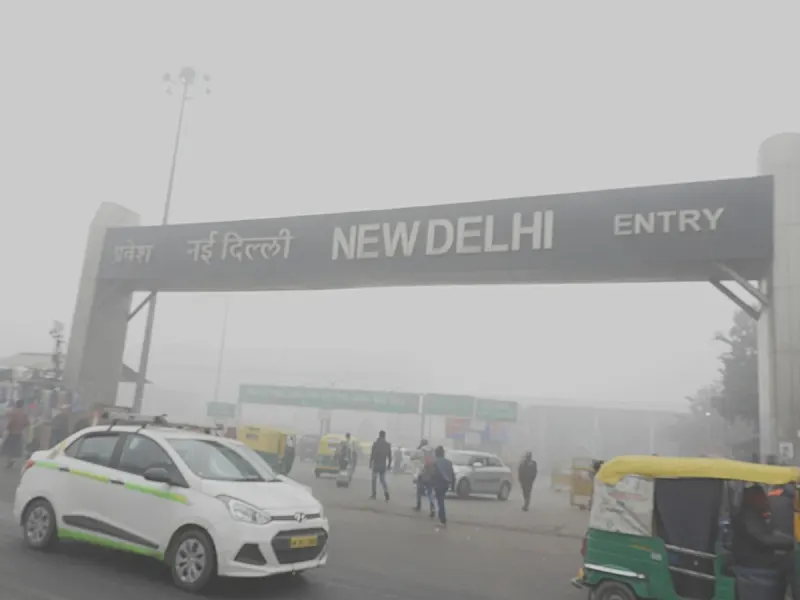
Why does Delhi's air get so bad every winter?
Farm fires get the headlines, but the season turns on cold, still air that traps whatever Delhi and its neighbours emit.
Who decides when Delhi's GRAP pollution curbs start, and what they ban?
CAQM writes the Graded Response Action Plan and its Sub-Committee triggers each stage. States, pollution boards and the Delhi government enforce it; the Supreme Court has pushed for stricter action.
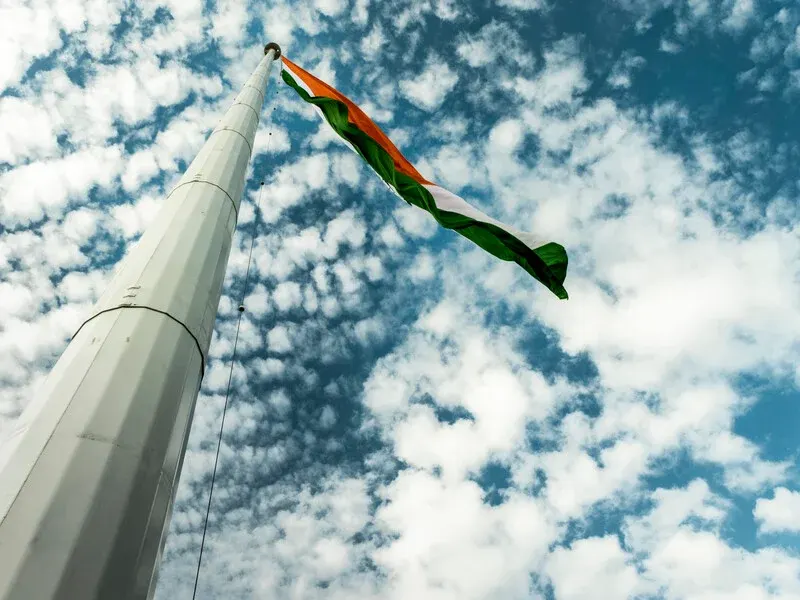
Who decides if you can fly the national flag at a protest in India?
Neither the Flag Code nor the 1971 Act requires permission to carry the flag respectfully. The Supreme Court has held that flying it with respect and dignity is protected as free expression; police, magistrates and site managers decide the gathering.
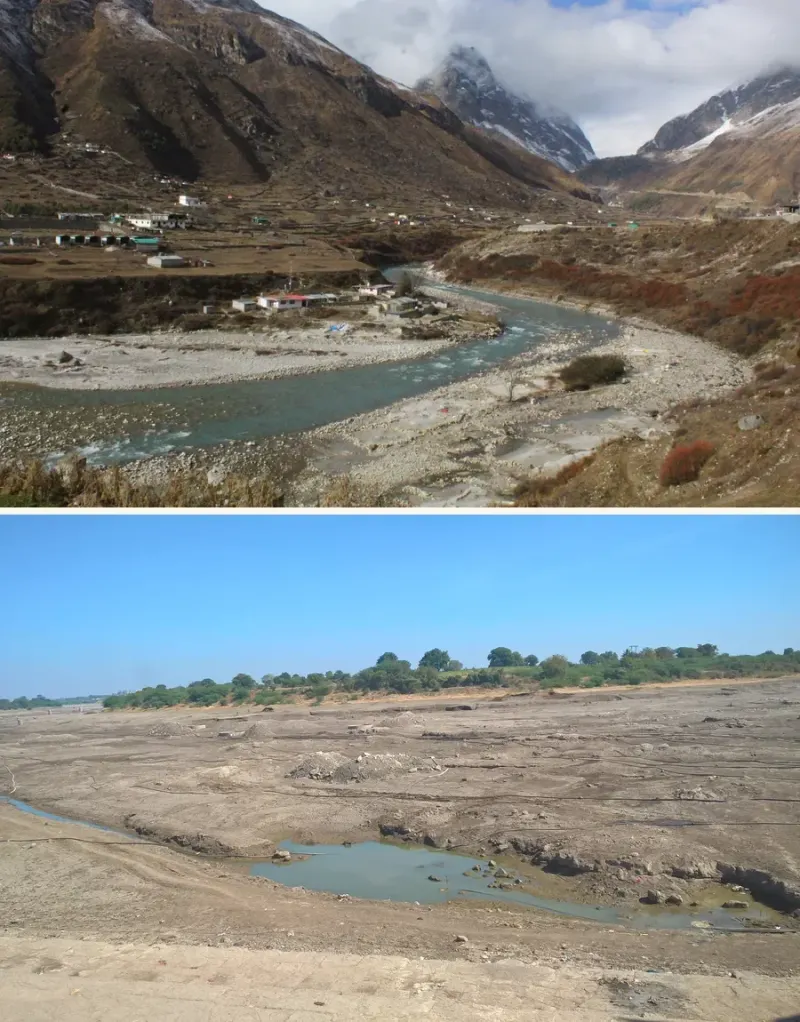
Why do Himalayan rivers flow all year while many peninsular rivers shrink in summer?
The Ganga and Brahmaputra draw on melting snow and ice as well as rain, while peninsular rivers such as the Godavari depend mainly on seasonal rain. Gauge records show how far apart their dry seasons are.
Where does an Indian municipality get its money, and who decides how it is spent?
Property tax is one source of city money. Applicable law controls what a municipality may collect, while grants and an elected council’s budget shape how it can spend the funds.
What is a western disturbance, and why can it bring rain to northern India?
A disturbance in winds high above the ground can lift moist air as it moves east. Its path, moisture and temperature help determine where northern India gets rain or mountain snow.
Disability pension: who can qualify under the NSAP changes?
The approved rules lower the disability threshold to 40%, include children from birth and revise assistance. Implementation guidelines are due within three months.
IDBI Bank’s approved sale: who gets the money?
The buyer would acquire 60.72% from the government and LIC. The purchase payment and fresh capital for the bank follow different paths.
Who repairs a city road or flyover in India?
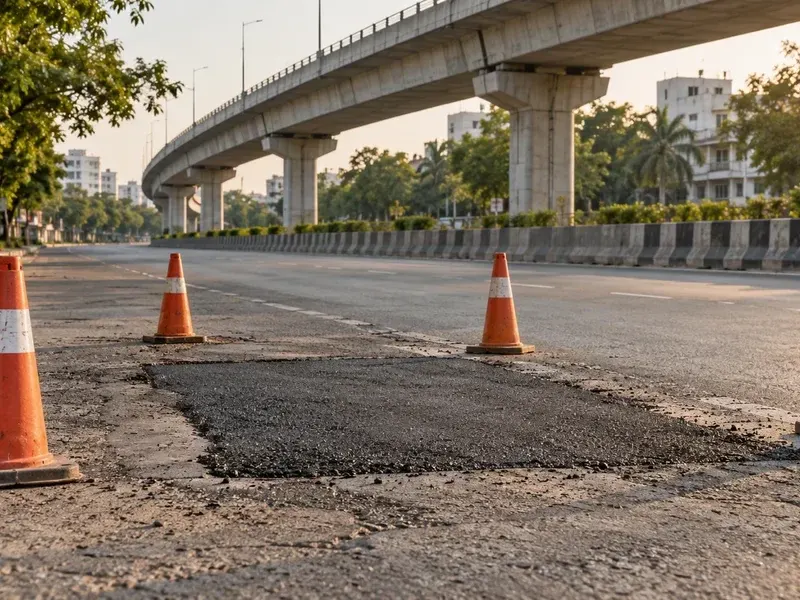
A city street and a nearby flyover may have different repair agencies. The exact stretch determines who orders the work and where residents can report a problem.
Why is it drier east of the Western Ghats during the southwest monsoon?
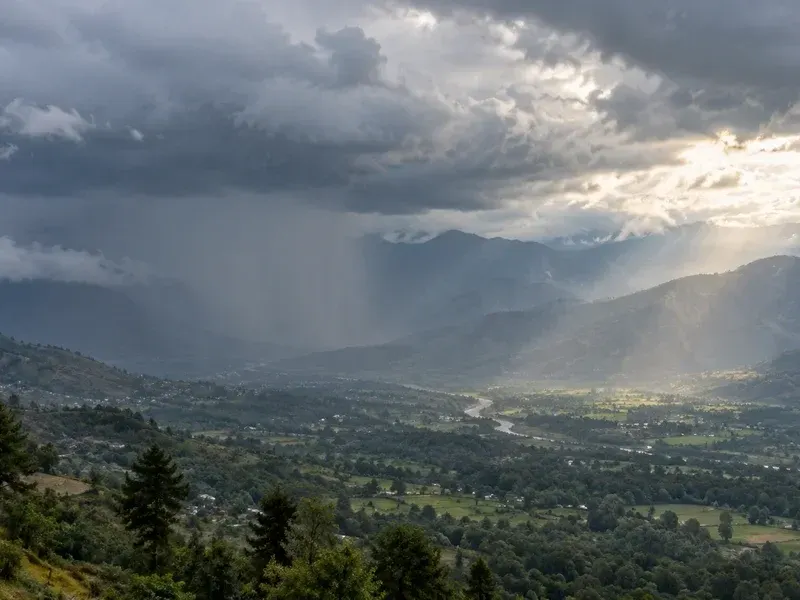
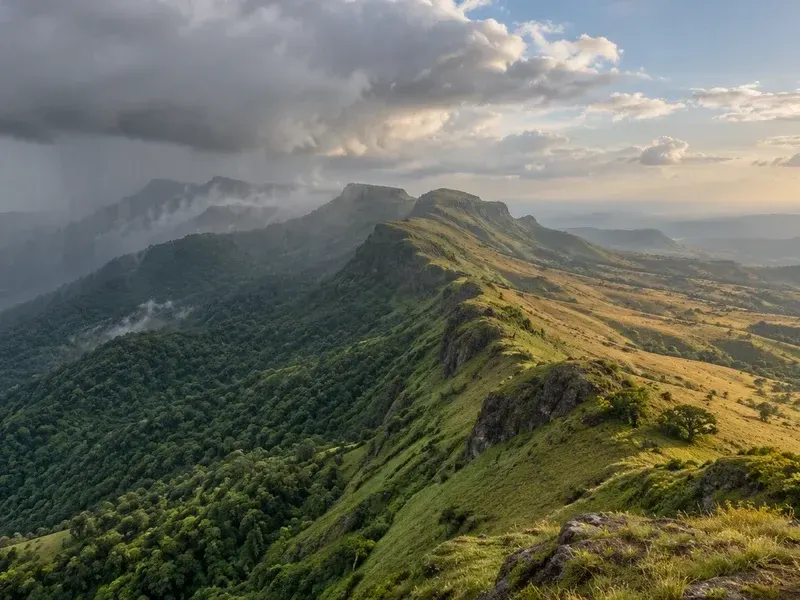
Moist air from the Arabian Sea rises along the western slopes and cools, producing rain. Beyond the crest, descending air warms; the Deccan interior gets less rain from this monsoon branch.
BHAVYA industrial parks: how funding depends on a usable factory site
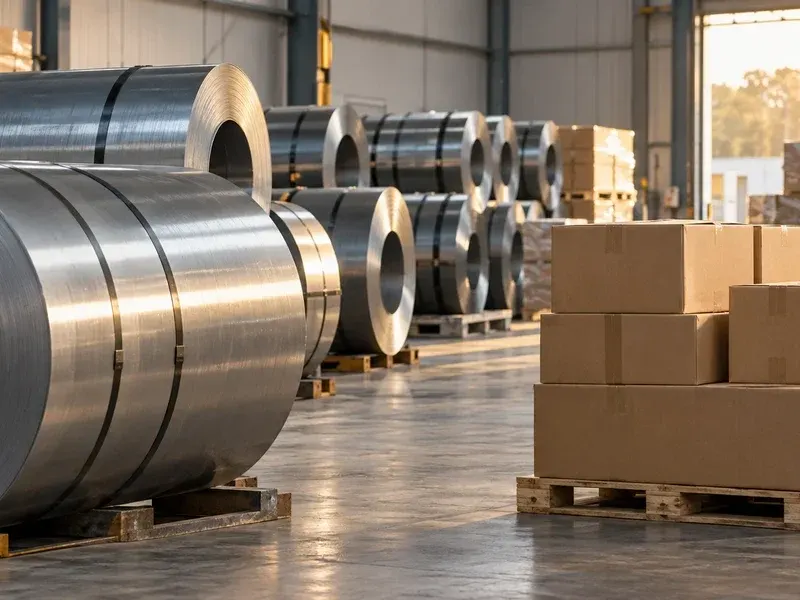
The ₹33,660 crore scheme backs shared infrastructure. Land, utilities, project-company ownership and staged releases determine how a proposal moves toward operation.
September WPI rises to 11.39%: reading India’s goods-price pressure
Wholesale inflation tracks goods near the factory, mine and mandi. Its basket explains why production prices and household inflation can diverge.
Who decides when a coastal area is evacuated before a cyclone?
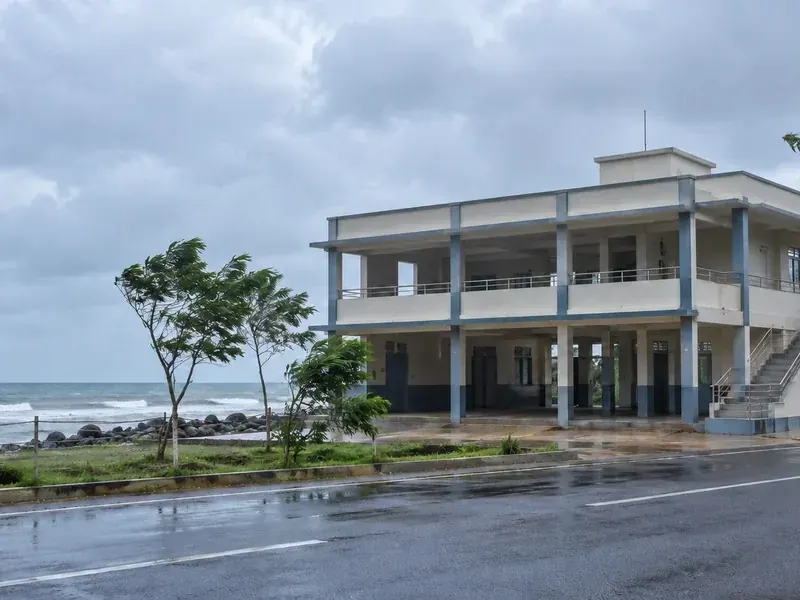
A weather warning describes danger; state and district authorities decide protective steps and organise local action under their plans. Here is how the roles fit together.
Why do more cyclones form over the Bay of Bengal than the Arabian Sea?
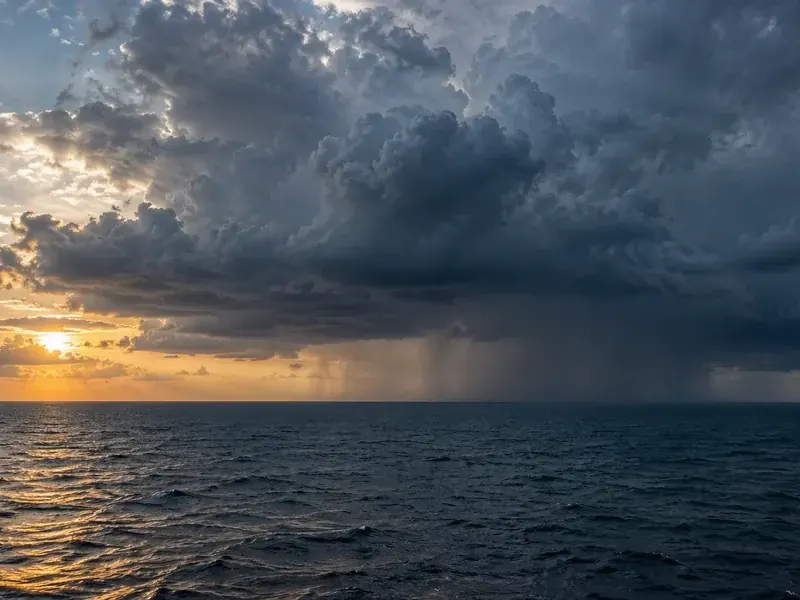
Both seas beside India can produce cyclones, but historically more have formed over the Bay. Warmth, moisture, initial spin and wind shear help explain the difference.
India–UK CETA: a tariff cut helps when businesses claim it
The October 12 meeting focused on using the existing trade agreement. Product eligibility, origin evidence and a preference claim connect it to a shipment.
September inflation rose to 5.54% as food prices climbed faster
Food inflation reached 7.74%. The latest CPI release shows why annual rates and the change since August need separate readings.
Who decides where a protest march can go in India?
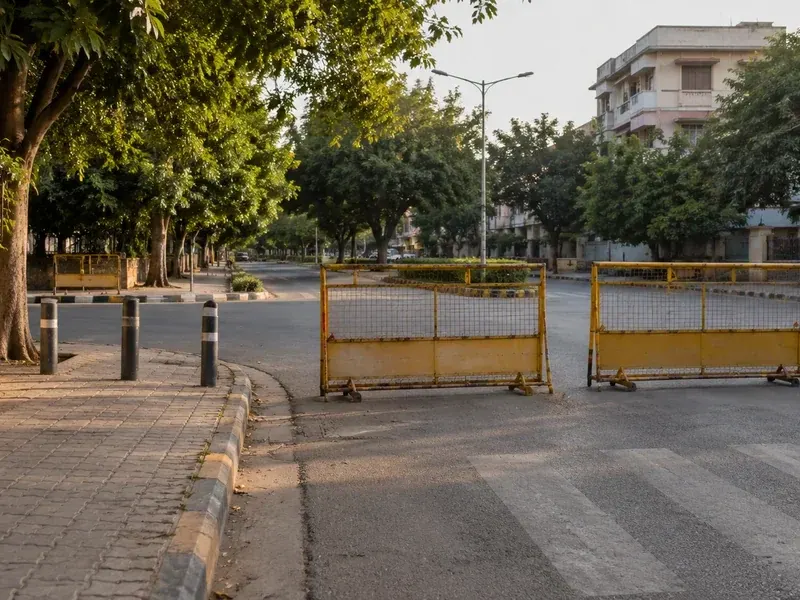
Organisers choose where they want to march. Delhi's police law allows route directions; separate powers govern bans and urgent orders.