Explore
41–60 of 101 articles
Why can a thunderstorm drench one neighbourhood and miss another?
A thunderstorm's rain patch can be much smaller than the area covered by a weather warning. See how the patch moves and what an IMD alert tells you about your street.
Coal supplies improve: why power-plant stocks can still fall
October deliveries increased and stock depletion slowed. The difference between fuel on hand and fuel arriving explains the change.
Hospital charge displays: what the Centre wants states to enforce
The health ministry wants patients to see service rates clearly. Existing central and state rules determine the duty and its enforcement.
Cancer medicine prices: what NPPA’s 30% margin cap could change
The regulator has approved a wider cap in principle. A drug list and notification will determine which medicines and prices it covers.
Who can add or remove your name from India's voter list?
An application or objection starts a check. The electoral registration officer decides whether an entry changes.
What does southwest monsoon withdrawal mean in India?
The seasonal rain-bearing winds retreat region by region, but rain can still fall after they leave.
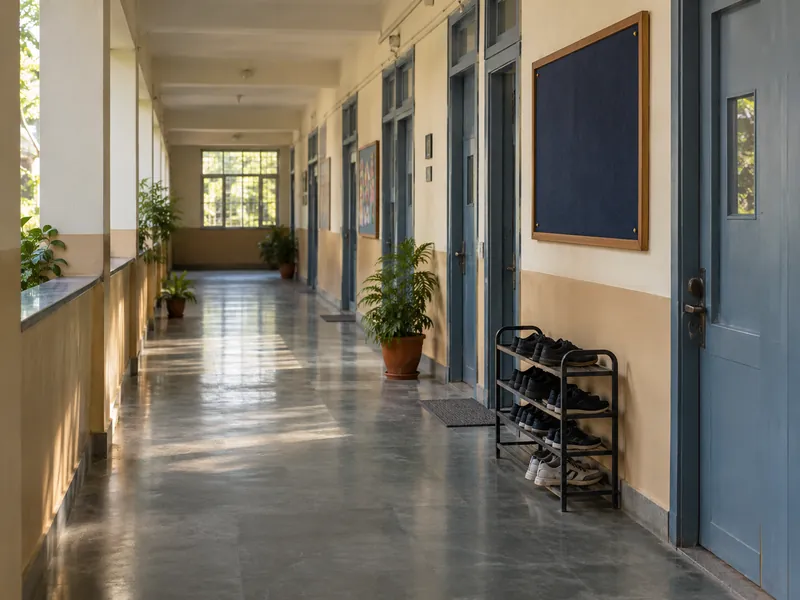
Who decides school holidays in India?
The regular vacation calendar and an emergency closure take different routes to a school's notice.
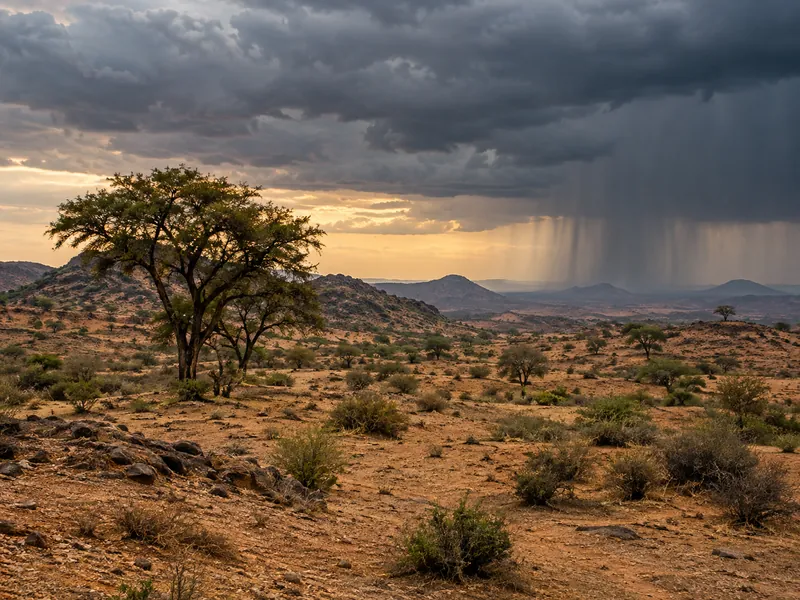
Why is western Rajasthan so dry?
Jaisalmer receives far less rain than Jaipur. The monsoon's route and the Aravalli hills help explain why.
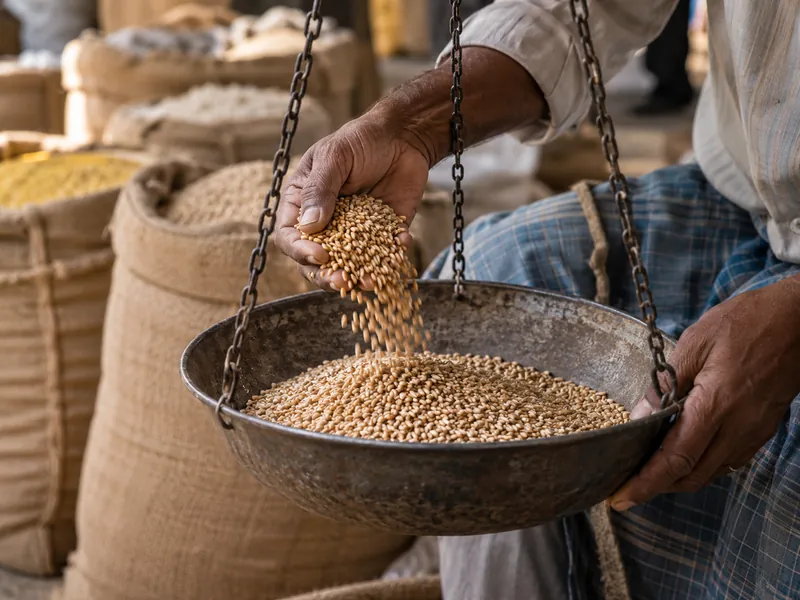
MoSPI’s state GDP draft: what a household-spending view could reveal
The proposal adds methods for measuring consumption and investment across states. Missing trade data still prevents a complete expenditure account.

RBI’s 99% daily CRR rule: what changes for banks on 16 October
The reserve target stays the same. Banks will have much less room to let their daily cash balance fall below it.

Who creates a new district in India?
State governments create or change administrative districts under state law. A Gazette notice makes the boundary official; staffing, offices and funding take further decisions.
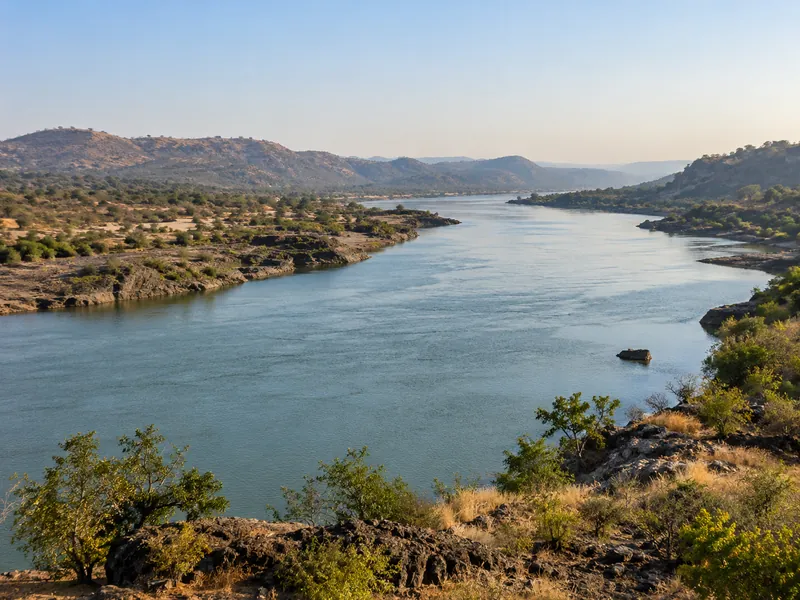
Why do the Narmada and Tapi flow west?
These two long rivers head for the Arabian Sea while many major peninsular rivers drain east. Their valleys provide the downhill route west.
GST Council proposes ending arrest powers: what would change?
Tax dues, arrest and criminal prosecution follow different rules. The proposed ₹5 crore threshold needs to be read against the law already in force.

GST refund reforms: why tax credits can trap business cash
The Council proposes wider refund eligibility and faster processing. The benefit depends on which credits qualify and when they become cash.
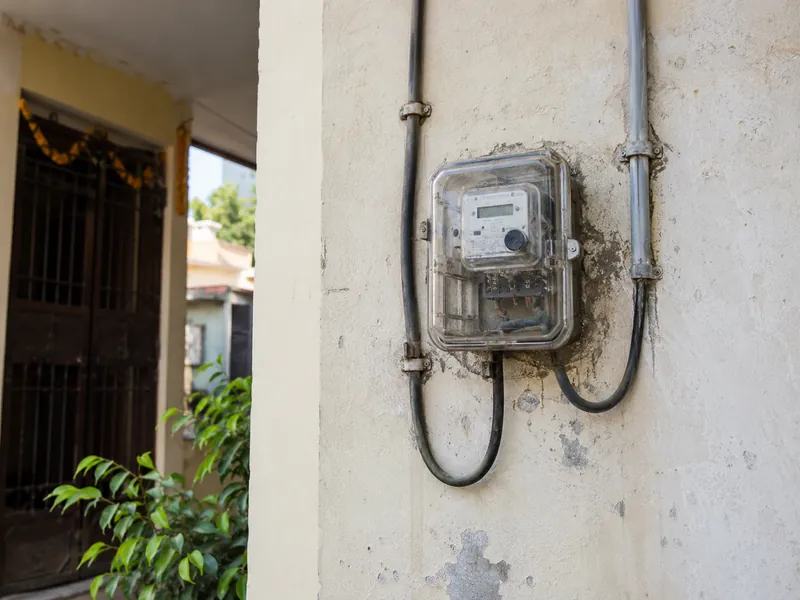
Who decides electricity tariffs in India?
A distribution company proposes household charges; the regulator for that area issues the tariff order. A state-funded subsidy can separately lower an eligible customer’s bill.
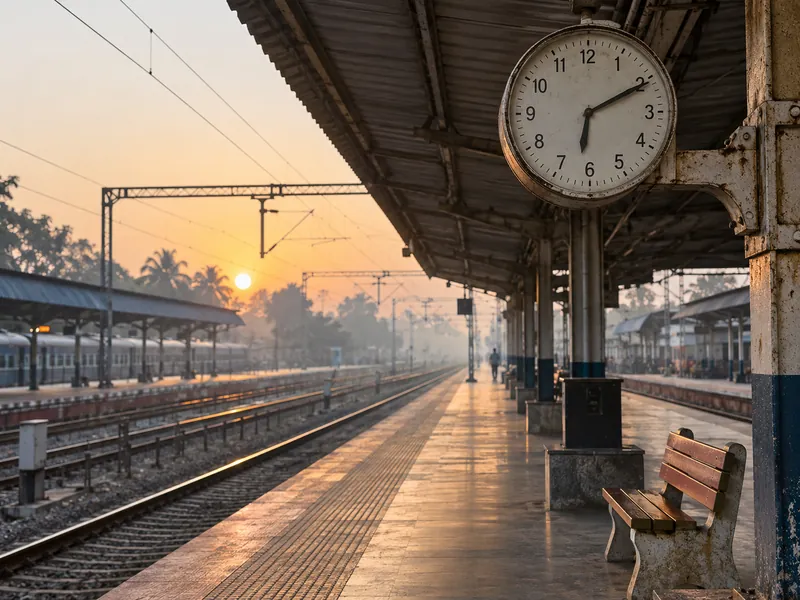
Why does India have only one time zone?
India uses one official clock, though the Sun reaches its daily high point nearly two hours earlier by that clock at the mainland’s eastern limit than at its western one. Longitude explains the gap and its effect on daily schedules.

RBI’s Account Aggregator changes: bank-deposit records in one investment view
How consent-based sharing connects bank records, demat holdings and the Account Aggregator you choose.

RBI raises the repo rate to 5.50%: when does a loan become costlier?
The benchmark, reset date and repayment choices that connect a rate rise to a household loan.
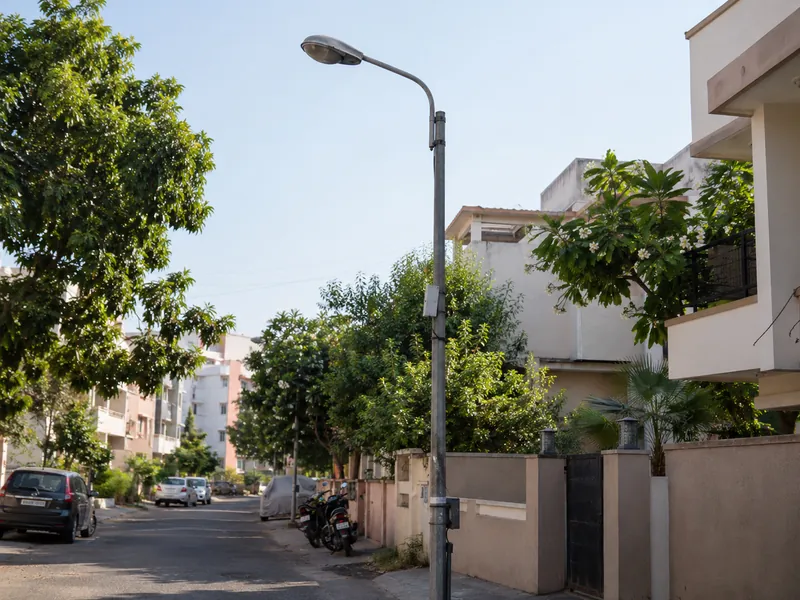
Councillor vs MLA vs MP: who handles a local problem?
For a broken streetlight or another city service, start with the responsible agency. Elected representatives can raise unresolved problems in different institutions.
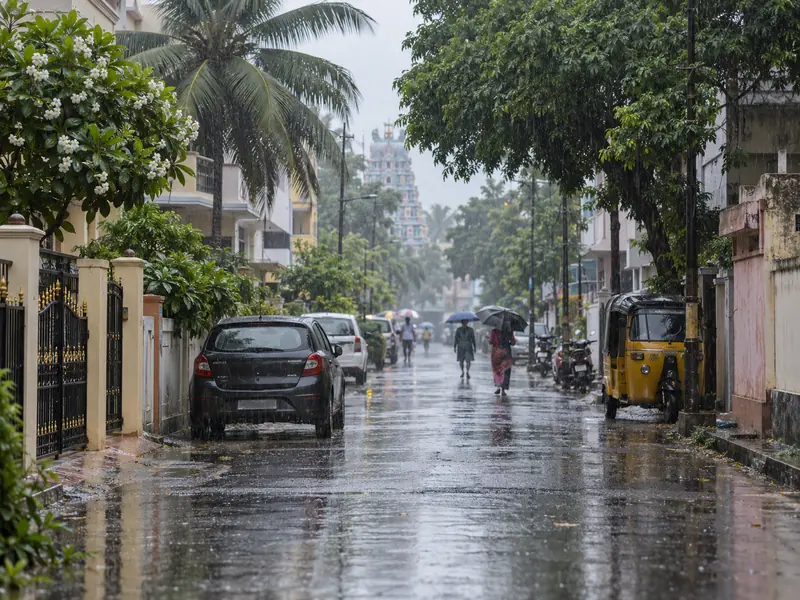
Why does Chennai get most of its rain in October–December?
Chennai’s wettest months arrive after the summer monsoon. The Western Ghats, Bay of Bengal and changing winds explain the timing.