Explore
81–100 of 101 articles
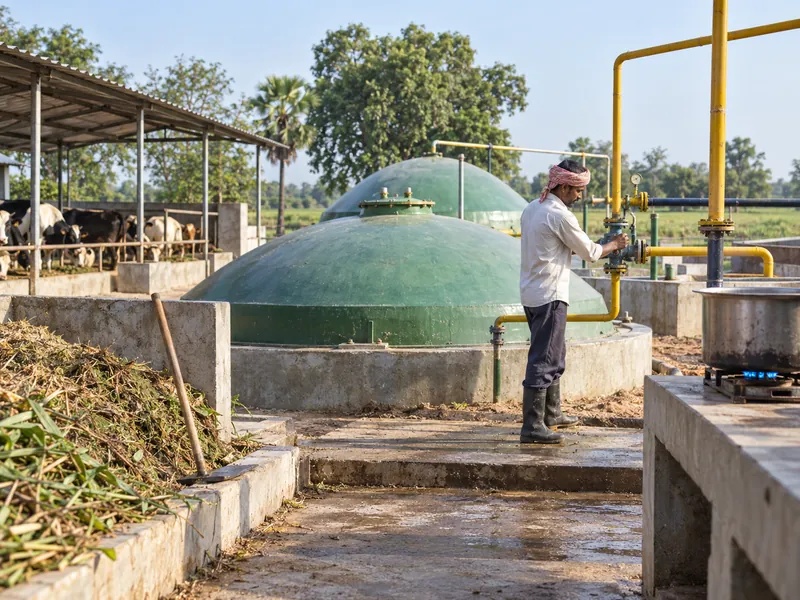
GOBARdhan: why biogas needs a reliable buyer
India’s new rules strengthen purchase commitments and producer pricing. Making a plant viable still depends on reliable waste supplies, gas connections and payments.
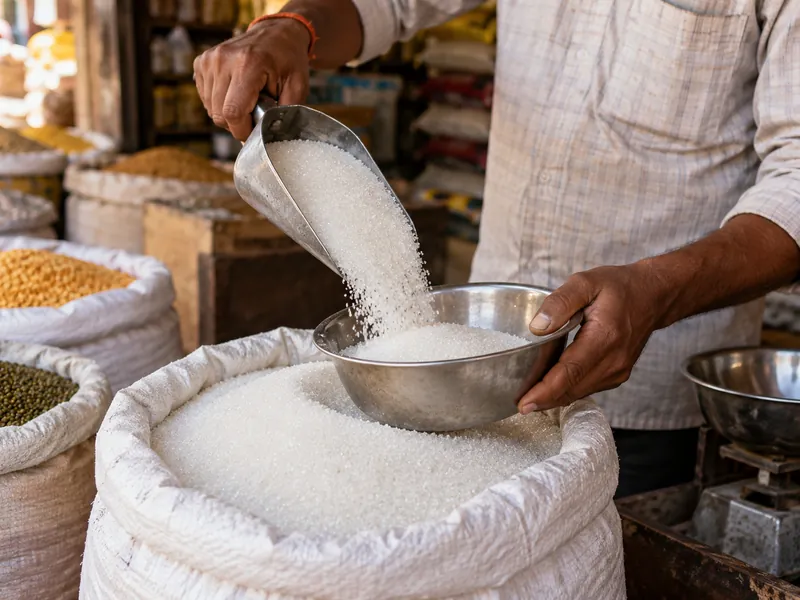
India’s sugar stock limit: why larger reserves depend on imports
Festival buying and a smaller-than-expected crop have tightened the sugar market. Ethanol also uses cane; the effect depends on how much sugar remains for food.

LPG Aadhaar authentication: what changes on 1 October
Who needs to complete the check, how refill booking changes, and how LPG support reaches households through prices and bank transfers.
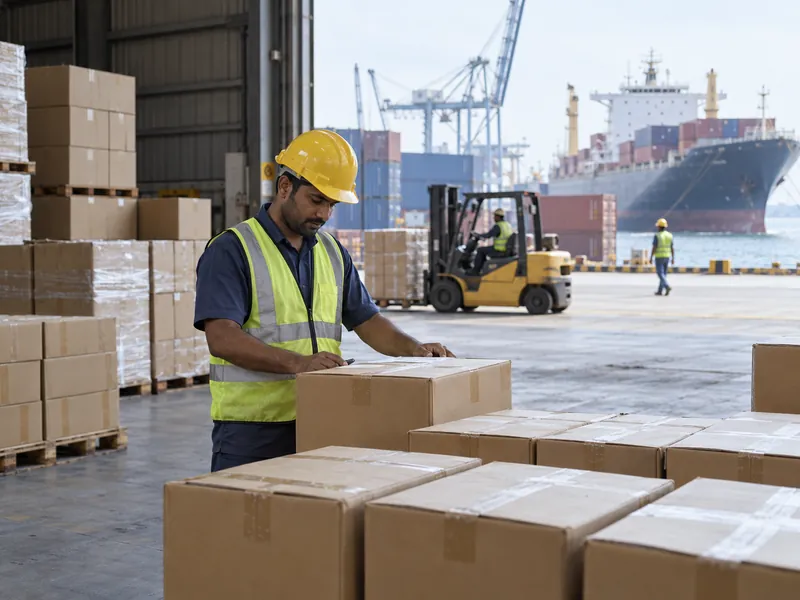
India–New Zealand FTA: when does duty-free trade begin?
New Zealand’s parliamentary vote brings the agreement closer to taking effect. For an Indian exporter, the saving depends on the product’s current tariff and whether it qualifies.
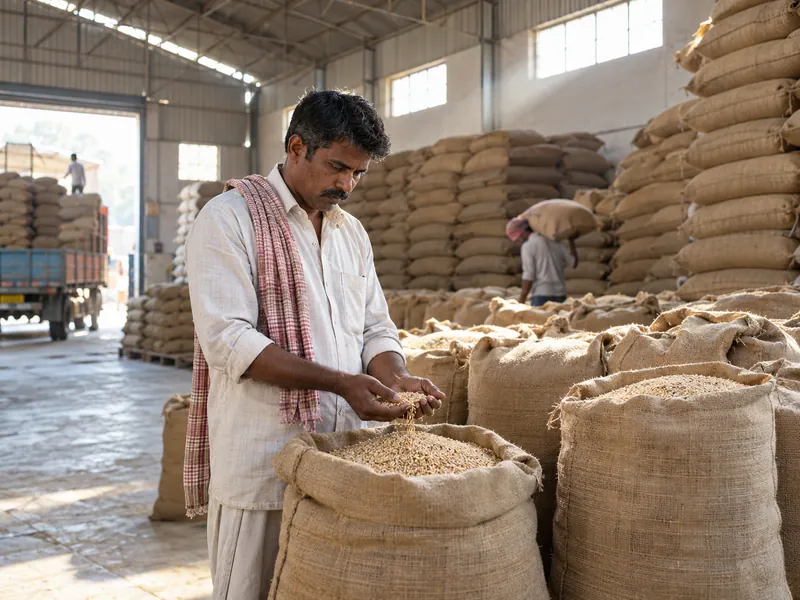
Why paying FCI on time can lower the cost of free grain
The food-subsidy bill covers much more than rice and wheat. When the money arrives also affects what the system costs.
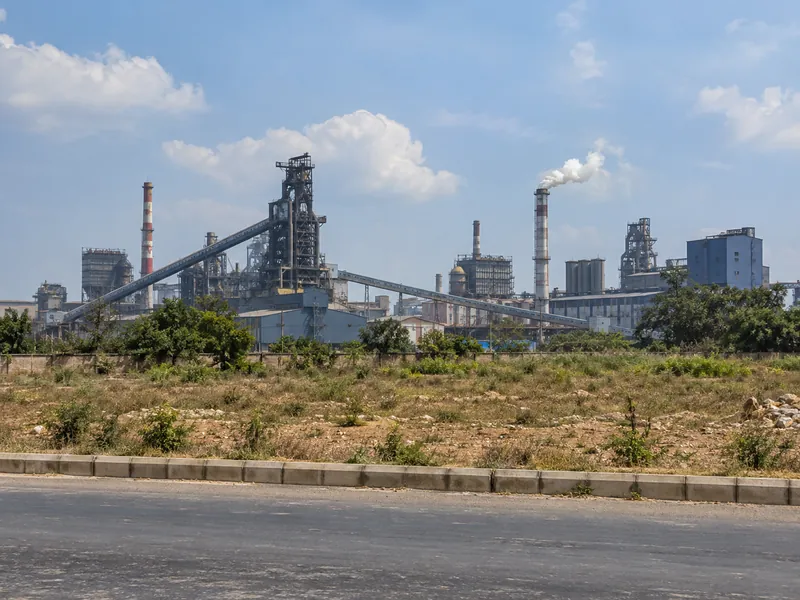
RINL’s land auction: what selling property can do for a steelmaker
Surplus land can become cash. A lasting recovery depends on how the money is used and whether steelmaking can pay its own way.

India’s 4.82% inflation rate and your household budget
Food, rent and other purchases take up different shares of each household’s budget. A worked example explains why your bills can rise faster or slower than August’s national inflation rate.

India’s ₹3 lakh export exemption: which paperwork goes away?
A new exemption removes the RCMC requirement for export consignments with an FOB value up to ₹3 lakh. Here is how the threshold works and which documents remain.

RoDTEP: why India returns tax costs to exporters
RoDTEP continues through December 31, 2026, with existing rates and caps unchanged. How the tax relief reaches exporters matters when they price an overseas order.
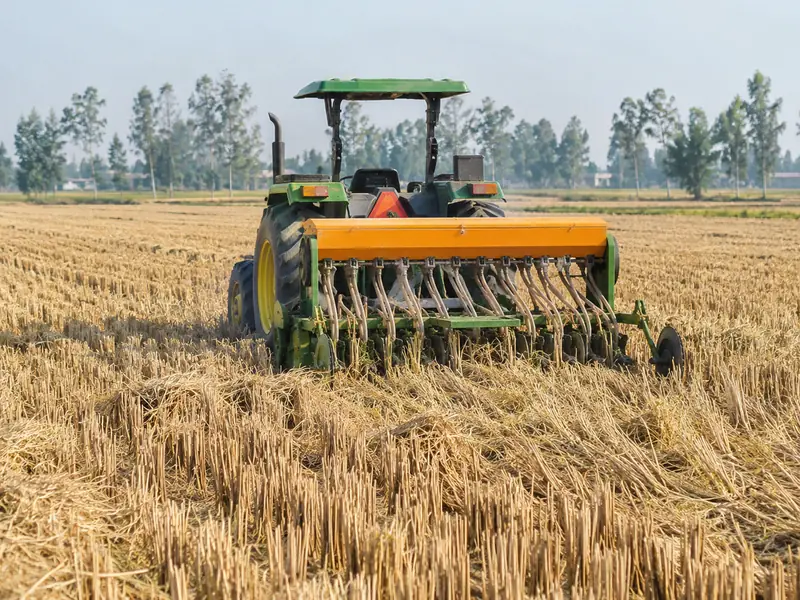
How soil-carbon credits become a payment to Indian farmers
Punjab and Haryana farmers are receiving carbon payments for earlier farming changes. Measurement, credit sales and contract terms determine how that work becomes income.

EPFO’s ₹25,000 wage ceiling: who it covers and what changes on a payslip
Who must join EPF, who can stay outside it, and why a pay rise does not end membership. The old rules explain what the higher ceiling changes.

India’s August jobs report: what 5% unemployment leaves out
Who is working, who is looking, and who is outside the labour force? Three measures explain the difference.
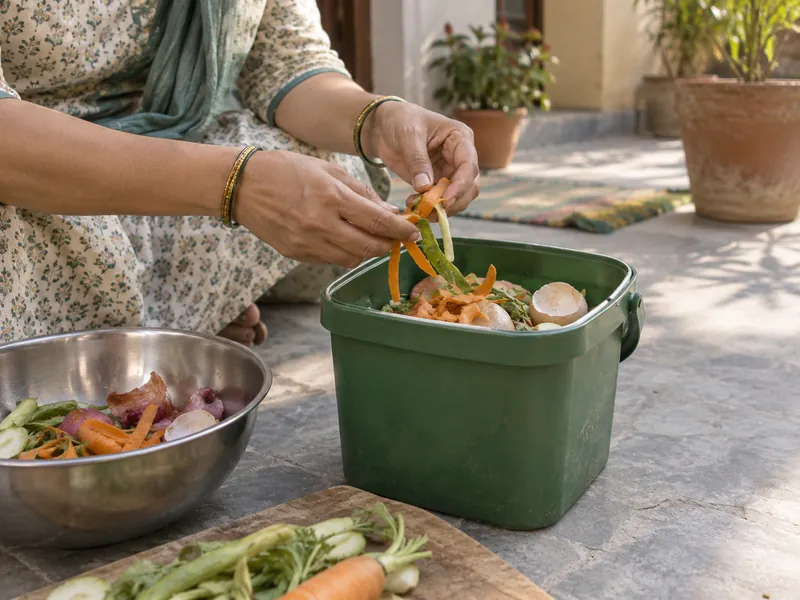
Why India separates household waste into four streams
Wet, dry, sanitary and special care waste need different routes—and collection must keep them apart.
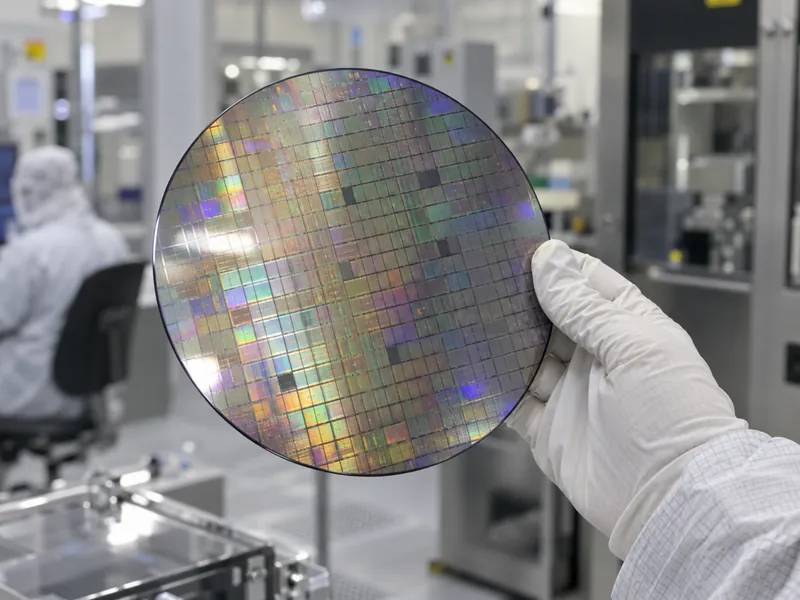
Making chips in India: what fabs, packaging and testing actually do
Follow a chip through the factory—and see why India is investing in different parts of its production.
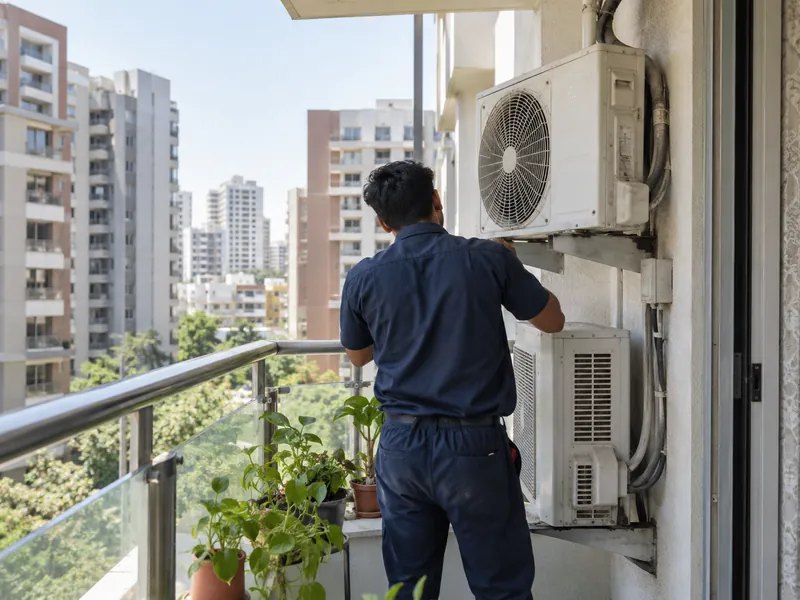
World Ozone Day: why India's cooling transition is not finished
The ozone layer is recovering. The gases inside our cooling equipment still need attention.

UPI’s MDR debate: who should pay to keep payments free?
NPCI has deferred selected merchant fees until after Diwali, with the date pending. Why funding UPI matters beyond the checkout.

Asian Games 2026: how to read India's medal tally
A higher total and a higher rank are different achievements. Here is what to watch beyond the headline number.
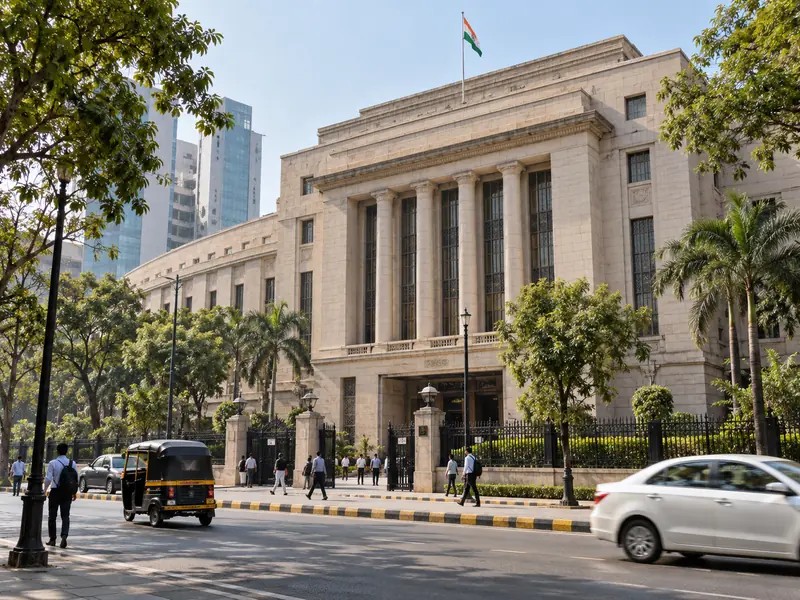
Why is the RBI selling dollars and bonds as the rupee falls?
An earlier RBI programme brought dollars in and released rupees into banks. Now the central bank is managing currency pressure and surplus cash with different tools.

What did the 2026 BRICS summit actually achieve?
New Delhi secured agreement among rivals. What that means for diplomacy, payments and India’s influence.

What does India actually get from BRICS?
Follow the development-bank money, India’s diplomatic access and the limits behind the bloc’s giant numbers.